
Understanding the psychology behind gambling habits
The Allure of Risk and Reward
At the heart of gambling lies the tantalizing prospect of risk and reward. This interplay attracts many individuals, drawing them into the world of casinos and betting. The dopamine released during a win creates a euphoric sensation that often eclipses the feelings of loss. Consequently, many gamblers find themselves chasing that high, returning to the game time and again in hopes of recapturing that fleeting moment of triumph. For those interested in online options, savibet-uk.com/ provides an engaging platform for bettors.
The thrill of taking risks can serve as an escape from mundane realities. For some, the act of placing a bet provides an exhilarating diversion, a temporary reprieve from everyday stressors. This psychological phenomenon suggests that gambling can be more than just a game; it can become a coping mechanism, helping individuals navigate through life’s challenges by immersing themselves in the adrenaline of uncertainty.
Moreover, the brain’s reward system plays a crucial role in reinforcing gambling behaviors. When a person experiences a win, the brain reinforces this action by associating it with pleasure. Over time, this conditioning leads to repeated engagement in gambling activities, as individuals begin to crave the emotional highs that accompany potential victories, often overlooking the adverse consequences of their actions.
The Role of Cognitive Biases
Cognitive biases significantly influence gambling habits, leading individuals to make irrational decisions. One prevalent example is the “gambler’s fallacy,” where players believe that past outcomes will affect future events. This misconception can lead individuals to chase losses, believing that a win is ‘due’ after a series of losses. Such biases distort their perception of probability, encouraging a continuous cycle of betting despite unfavorable odds.
Another cognitive bias that affects gamblers is “confirmation bias.” Gamblers tend to remember their wins more vividly than their losses, reinforcing the belief that they are more skilled than they might actually be. This selective memory creates an illusion of control and competence, prompting players to continue their gambling behavior, often leading to financial strain.
Additionally, the framing of gambling opportunities can manipulate decision-making. For instance, presenting odds in a way that emphasizes potential gains rather than losses can skew perception, making bets seem more appealing. This phenomenon is common in marketing strategies used by casinos and betting platforms, encouraging individuals to engage in risky behavior without fully acknowledging the inherent risks.
The Emotional Rollercoaster of Gambling
The emotional landscape of gambling is multifaceted, often resembling a rollercoaster ride. Players experience a range of emotions from excitement and joy during wins to frustration and despair in moments of loss. This emotional volatility can lead to a compulsive cycle, where the highs motivate continued play while the lows engender a desire to recover losses, creating a turbulent emotional journey.
This emotional connection to gambling can become particularly problematic. As players become emotionally invested, they may disregard rational decision-making, leading to impulsive bets and increased risk-taking. This emotional dependency on gambling can make it difficult for individuals to quit, as they often associate their self-worth and happiness with their betting success.
Furthermore, the social environment around gambling can amplify these emotional experiences. Interaction with fellow gamblers can enhance feelings of camaraderie and excitement, while also promoting competitive behaviors. However, this social reinforcement can lead to risky behavior, as individuals may feel pressured to continue betting to maintain their social status within the gambling community.
The Impact of Environment and Marketing
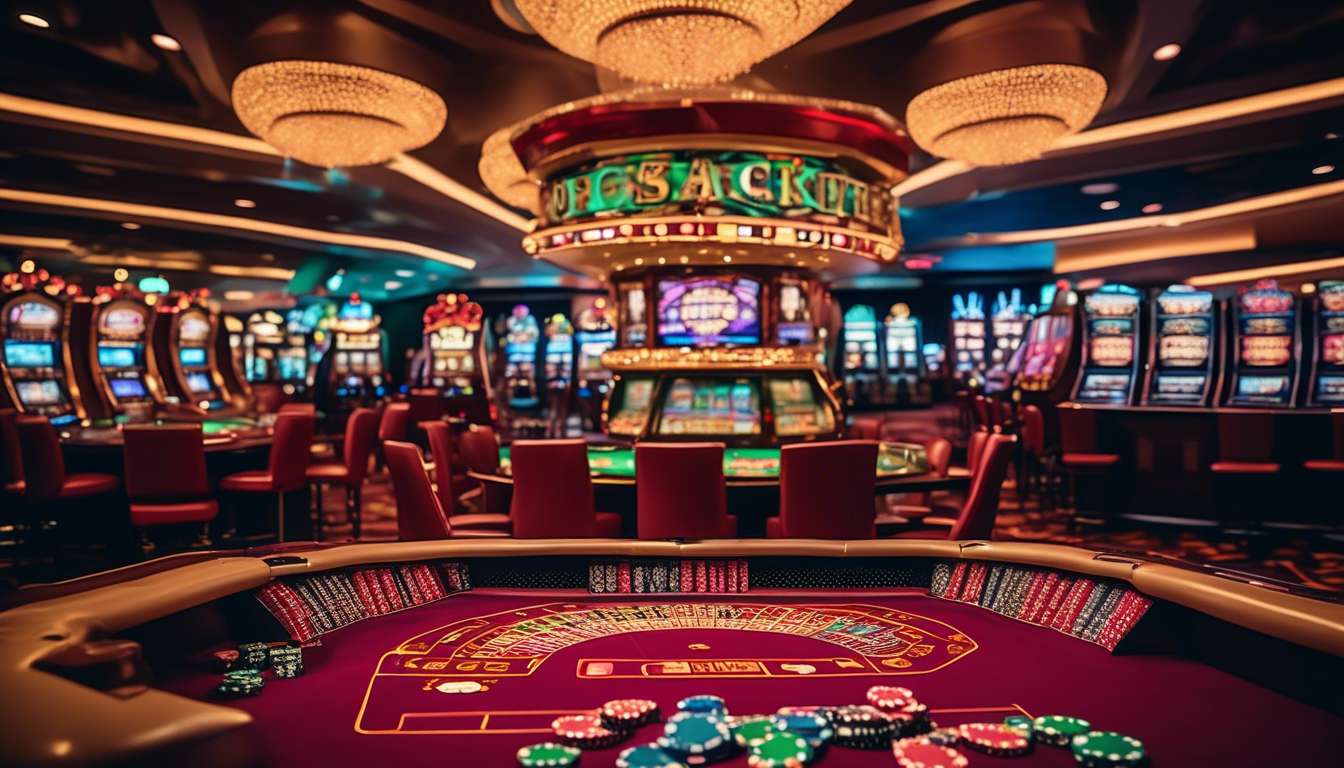
The gambling environment is meticulously designed to enhance engagement and prolong play. Casinos, for instance, utilize vibrant lights, sounds, and free refreshments to create a euphoric atmosphere that keeps players in the zone. Such sensory experiences can heighten emotional responses, encouraging individuals to gamble for extended periods without considering the financial implications.
Marketing strategies play a pivotal role in attracting and retaining gamblers. Promotions such as free bets or bonuses are designed to lure individuals into trying their luck. While these promotions may initially appear enticing, they often lead to deeper gambling commitments, trapping individuals in a cycle of betting that can quickly spiral out of control.
The accessibility of online betting platforms further exacerbates these issues. With the ease of placing bets from the comfort of home, individuals can gamble at any time, making it challenging to set limits. The convenience and constant availability can blur the line between casual gambling and compulsive behavior, particularly for those who might be predisposed to addiction.
Promoting Responsible Gambling Practices
Understanding the psychology behind gambling habits is crucial for promoting responsible gambling practices. It is essential for individuals to recognize the emotional and cognitive influences that drive their behavior. By developing self-awareness and understanding the risks involved, gamblers can make more informed decisions and establish healthier boundaries.
Educational initiatives and support resources can play a significant role in fostering responsible gambling. Many organizations provide information on recognizing problem gambling behaviors, enabling individuals to identify when they may need help. Additionally, implementing strategies such as setting spending limits, taking regular breaks, and seeking support from friends or professionals can aid in curbing impulsive gambling habits.
Ultimately, the aim is to create a balanced approach to gambling, where individuals can enjoy the thrill without succumbing to the negative consequences. By promoting responsible practices and encouraging open discussions about gambling-related issues, the gambling community can work toward reducing the prevalence of addiction and fostering a safer environment for all players.

Discovering SaviBet for Your Gambling Experience
SaviBet UK is an exemplary online betting platform designed to enhance your gambling journey while prioritizing responsible practices. With a commitment to security and compliance, SaviBet is fully licensed by the UK Gambling Commission, ensuring a safe environment for both new and experienced players.
The site offers a variety of markets, including football and horse racing, catering to diverse interests. Its user-friendly interface, coupled with competitive odds, enables a seamless betting experience. SaviBet also promotes responsible gambling through educational resources and support services, helping players navigate their betting habits effectively.
In addition to a generous promotional offer of “Bet £10 Get £20 Free Bet,” SaviBet enhances engagement through its intuitive mobile app and dedicated customer support. By choosing SaviBet, you can enjoy the excitement of gambling while being part of a community that values responsible practices and player well-being.